[Vietnam IT salary and recruitment] Từ trang 61 đến 67

Đây là nội dung được trích xuất từ "Vietnam IT salary and recruitment" (Tác giả: Unknown Author). Bài được extract tự động bởi Aha! Mind Interpreter.
technical work.
IT Freelancer Motivation & Challenge
Surveyed Vietnam’s IT freelancers mainly value flexibility and rely heavily on personal networks for opportunities. Financial security and stronger professional practices remain top priorities for sustainable income growth.
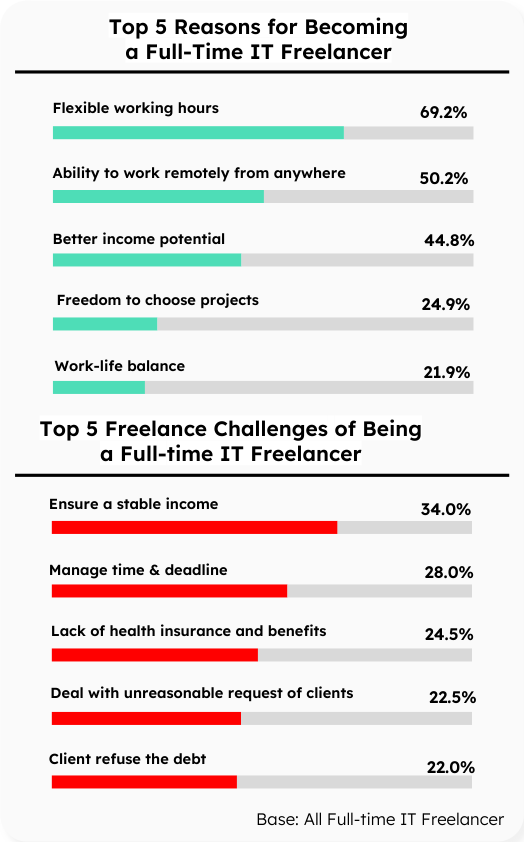
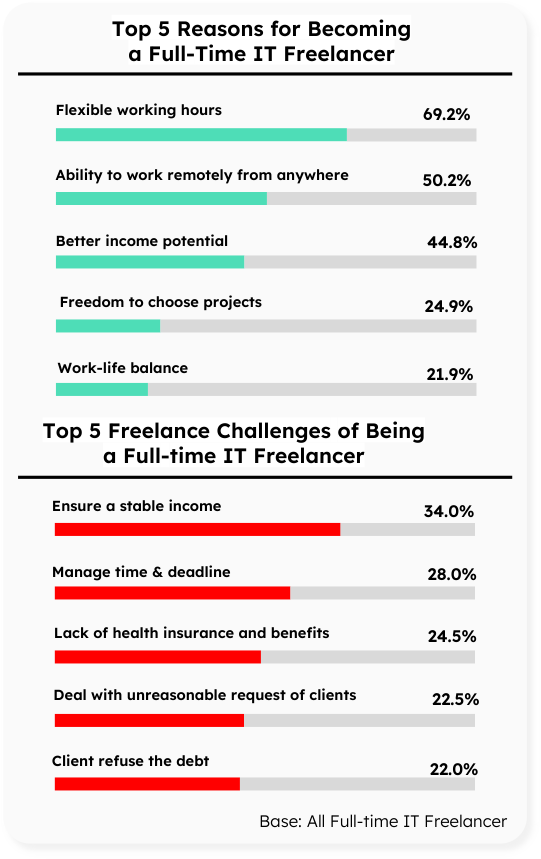
- From the survey, Full-time IT freelancing is
highly motivated by the desire for flexible
working hours (69.2%) and the ability to work
remotely (50.2%), promising increased income
potential. However, pursuing this path requires a
shift beyond technical expertise. Success
demands strong competencies in ownership,
client management, and financial skills to
address the top challenges: ensuring a stable
income (34.0%) and mitigating risks such as late
payment or non-payment by clients (22.0%).
- The most secure path forward for IT freelancers
is a dual-responsibility model - maintaining a
full-time role while taking on side projects. This
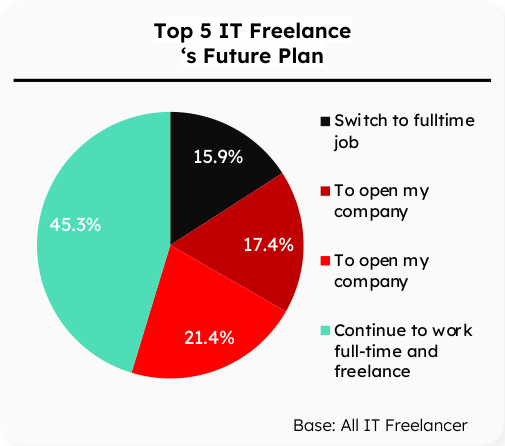
approach is already embraced by 45.3% of
surveyed IT freelancers, who plan to continue
freelancing alongside their full-time jobs. This
strategy not only accelerates skill growth but
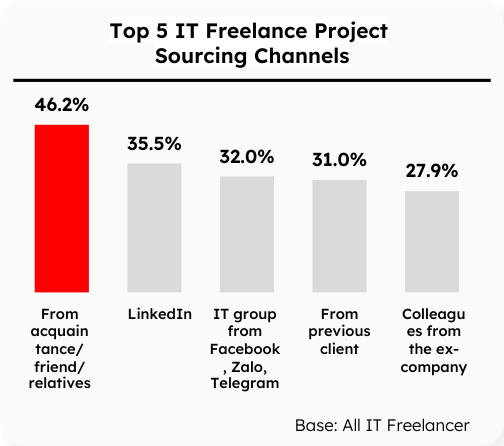
also strengthens the most crucial source for
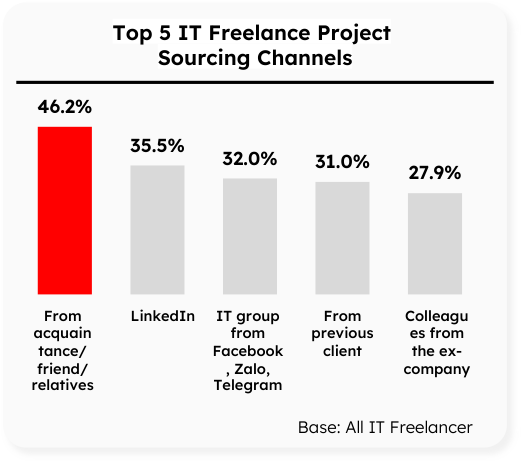
freelancing IT projects: 46.2% from
acquaintances, friends, and relatives. The data
reinforces a clear message that relationship
building is essential for long-term career
readiness in the freelance IT market.
60
IT MARKET REPORT
61
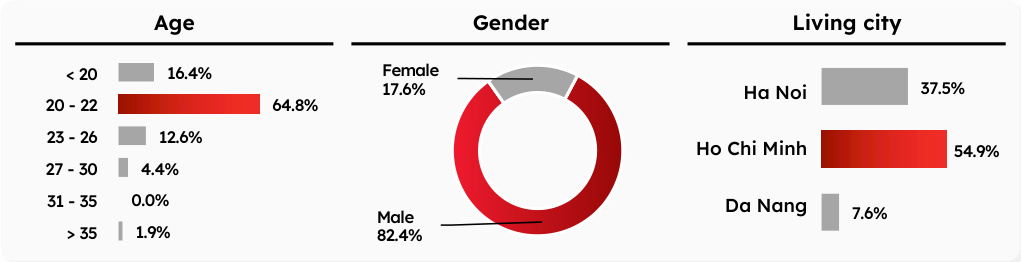
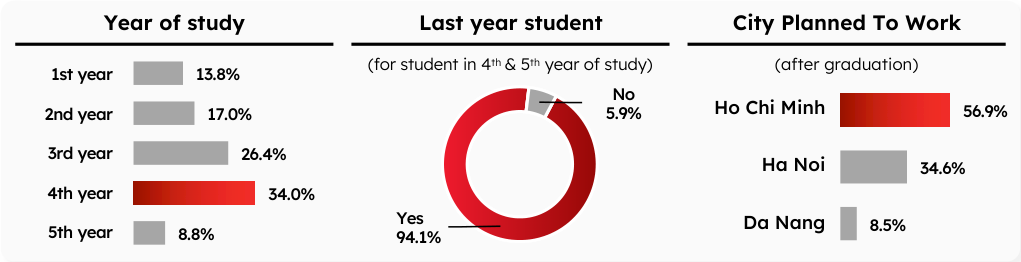
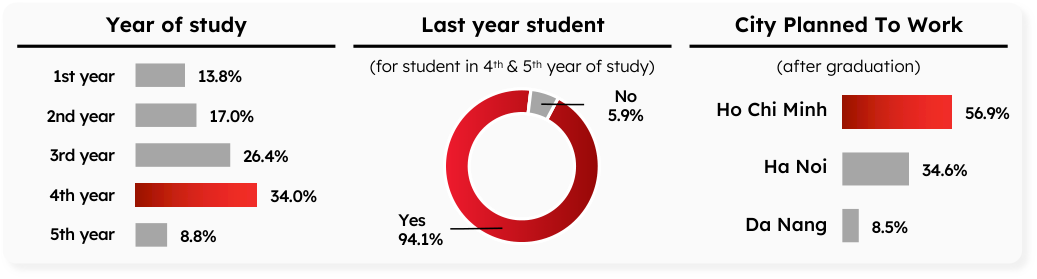
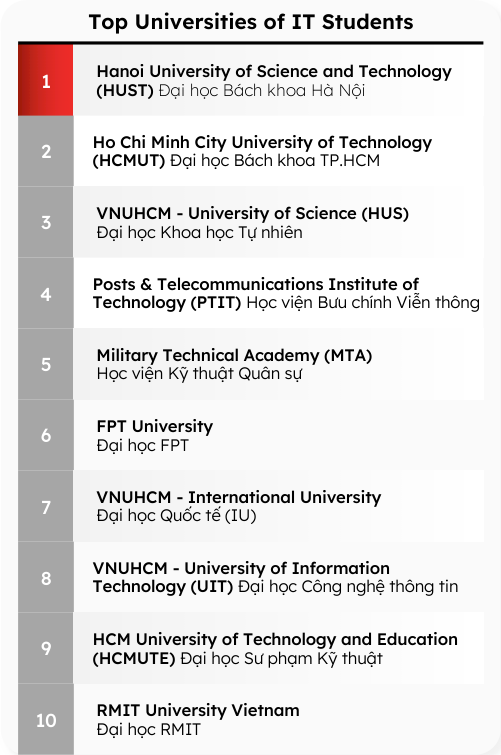
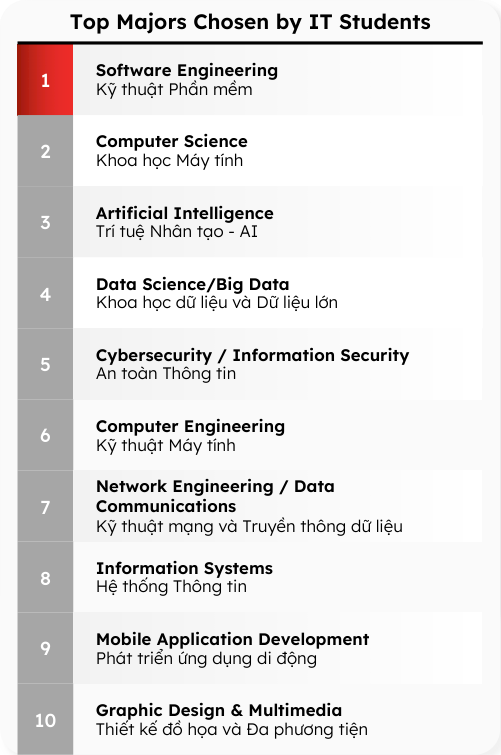
IT Student Demographic
62
IT Student Readiness for the Future Workforce
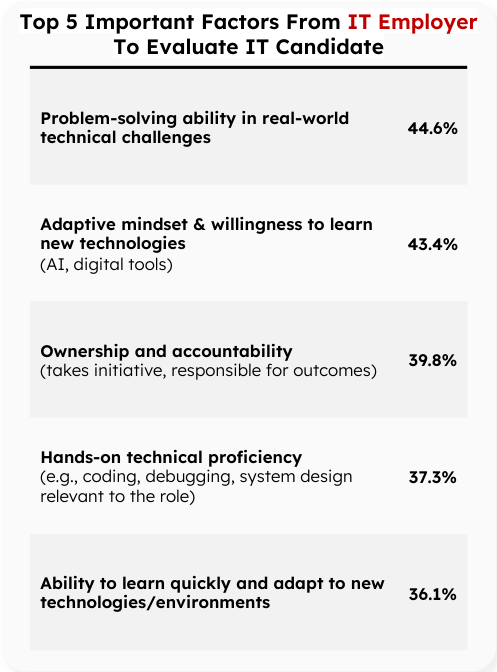
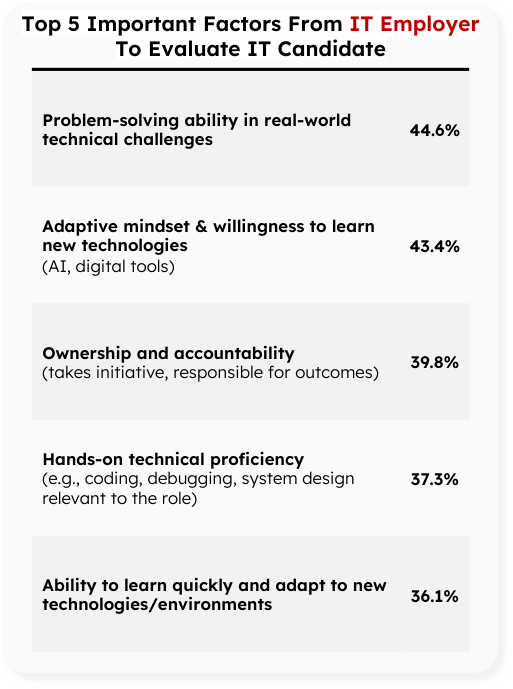
Strong academic focus is evident, but their readiness in practical skills remains limited, resulting in skill gaps and increasing job search anxiety among IT students.
Strong academic focus but limited practical
preparation.
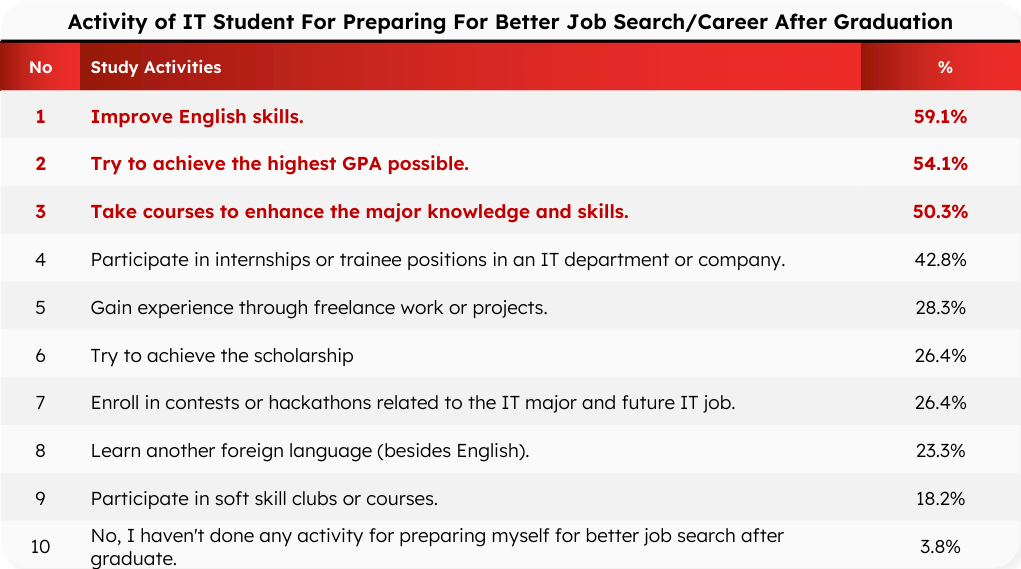
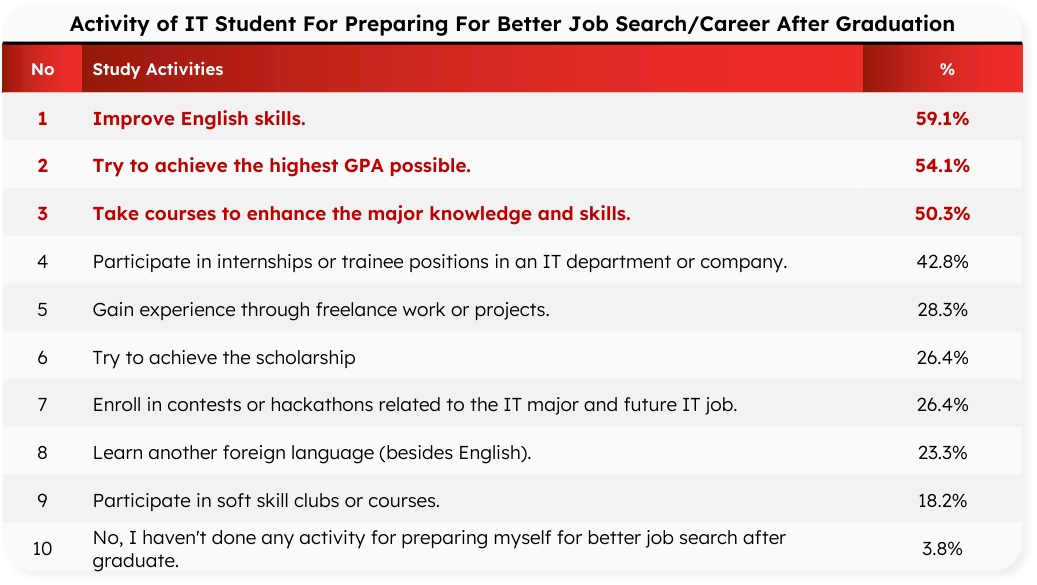
IT students invest heavily in academics, with 54.1 %
aiming for the highest GPA and 50.3 % taking extra
courses. However, real world preparation is low, as only
28.6 % gain freelance experience, 26.4 % join projects or
hackathons, and 18.3 % participate in soft skill clubs. This
reveals a clear gap between academic effort and
practical readiness.
English improvement is a priority, but skills remain
basic.
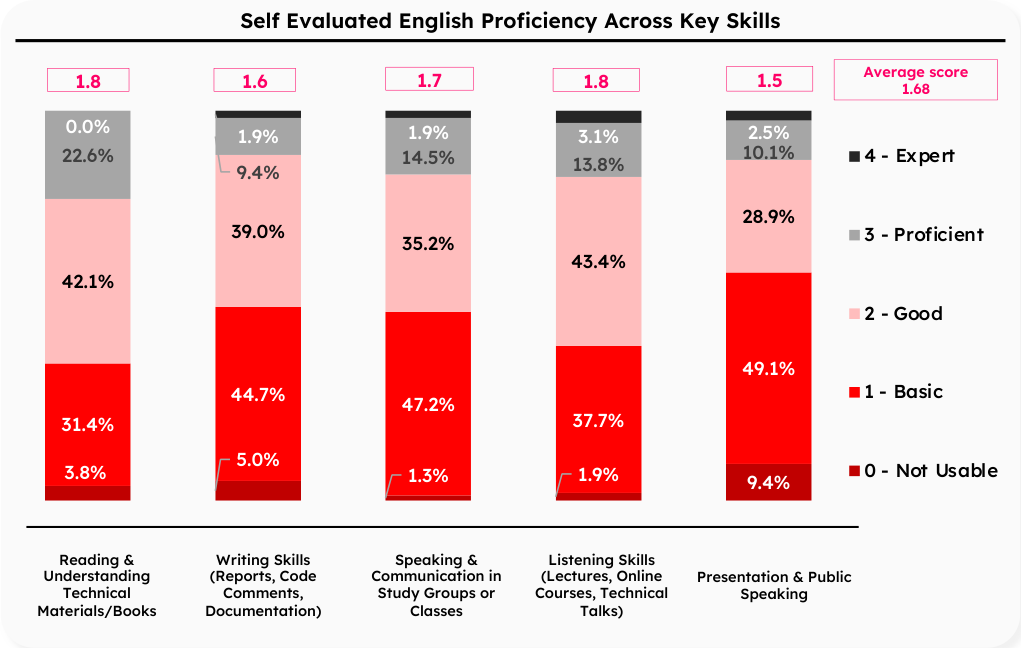
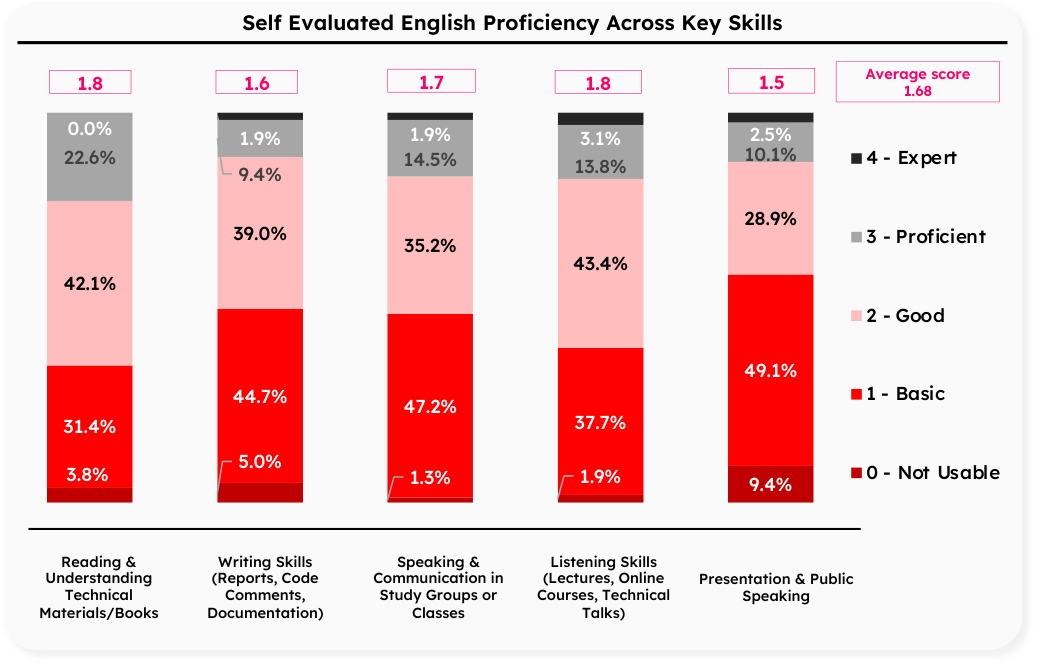
Improving English is the most common preparation
activity, reported by 59.1% of IT students, yet self evaluated proficiency remains at a basic level on
average (1.68/5). This shows students recognize English
as a major barrier when entering the job market,
especially for technical communication and teamwork.
Job-readiness anxiety driven by skill gaps and
market pressure (see data in next page).
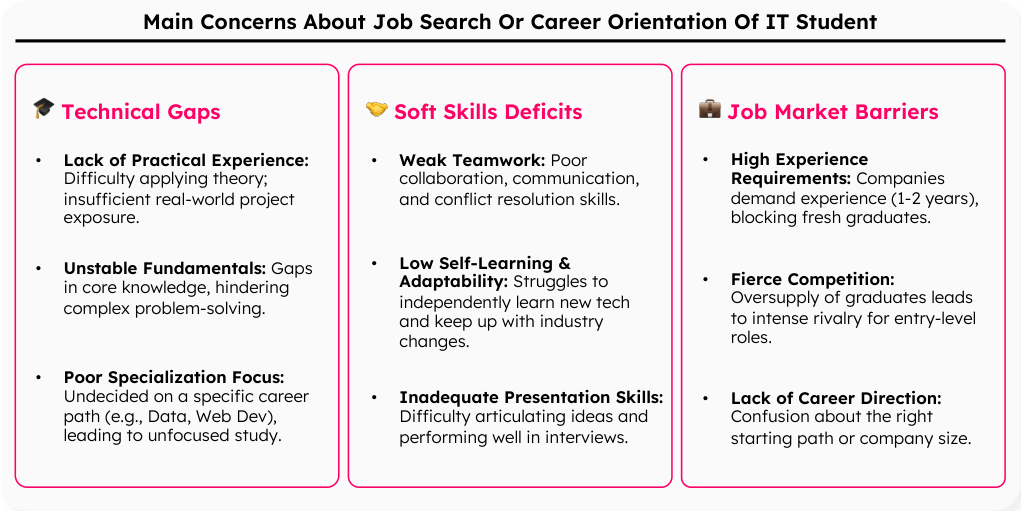
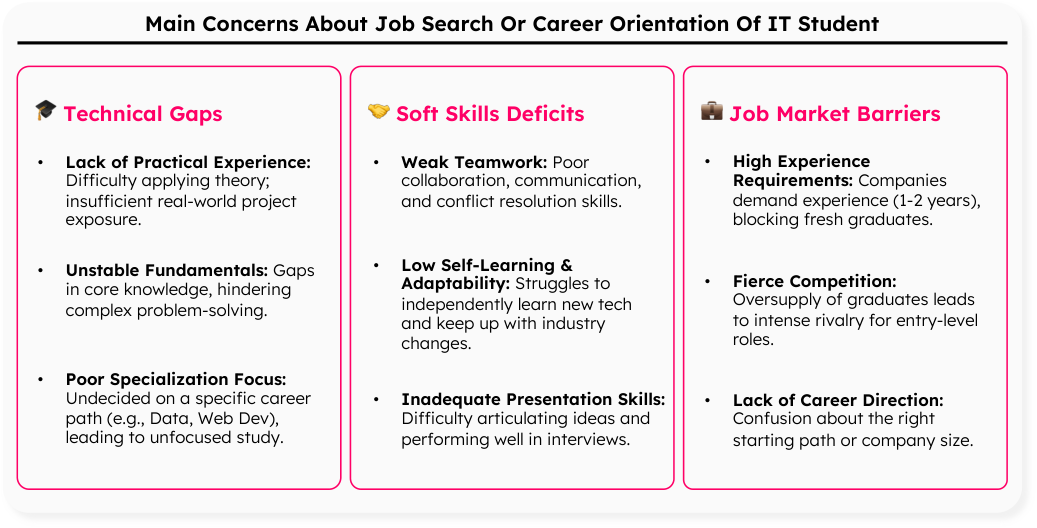
Students express strong concerns about their readiness
due to technical gaps, weak soft skills, and rising hiring
expectations. Many feel their practical ability and
confidence are not enough to meet employer demands,
even for entry level roles.
63
IT Student Readiness for the Future Workforce
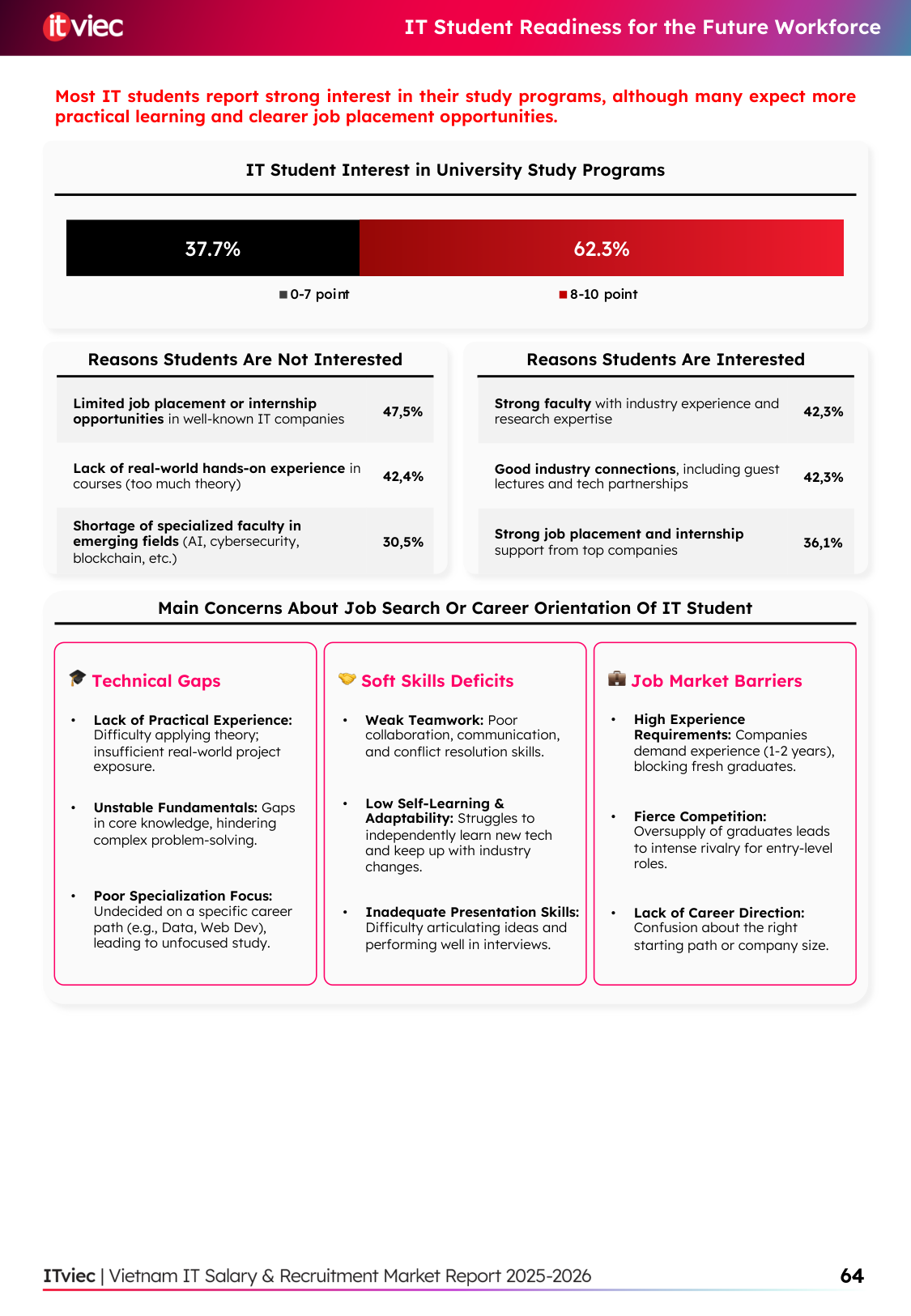
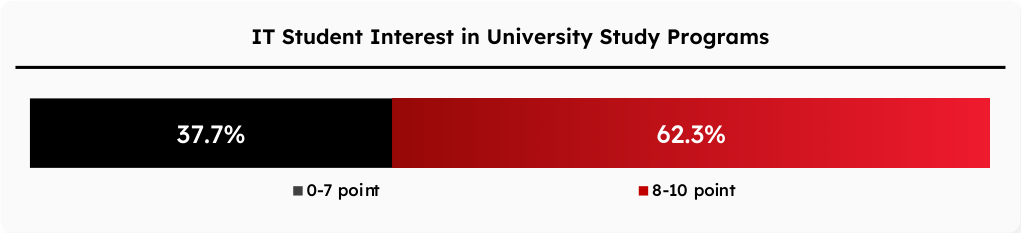
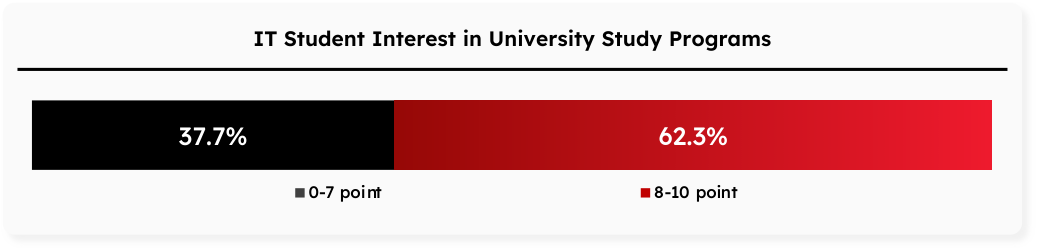
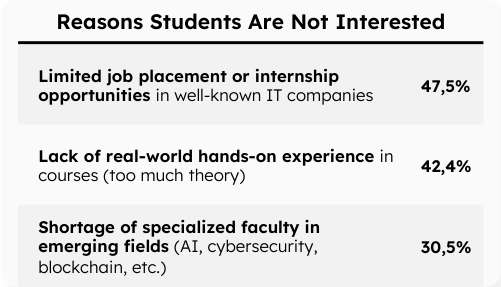
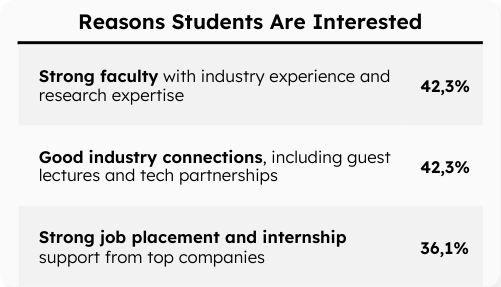
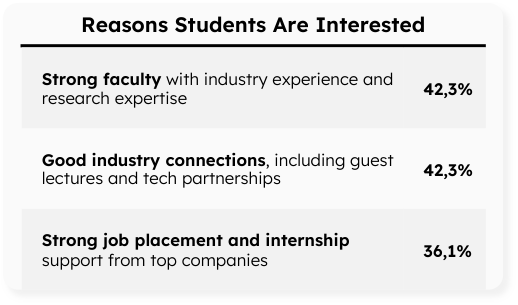
Most IT students report strong interest in their study programs, although many expect more practical learning and clearer job placement opportunities.
64
IT Student Readiness for the Future Workforce
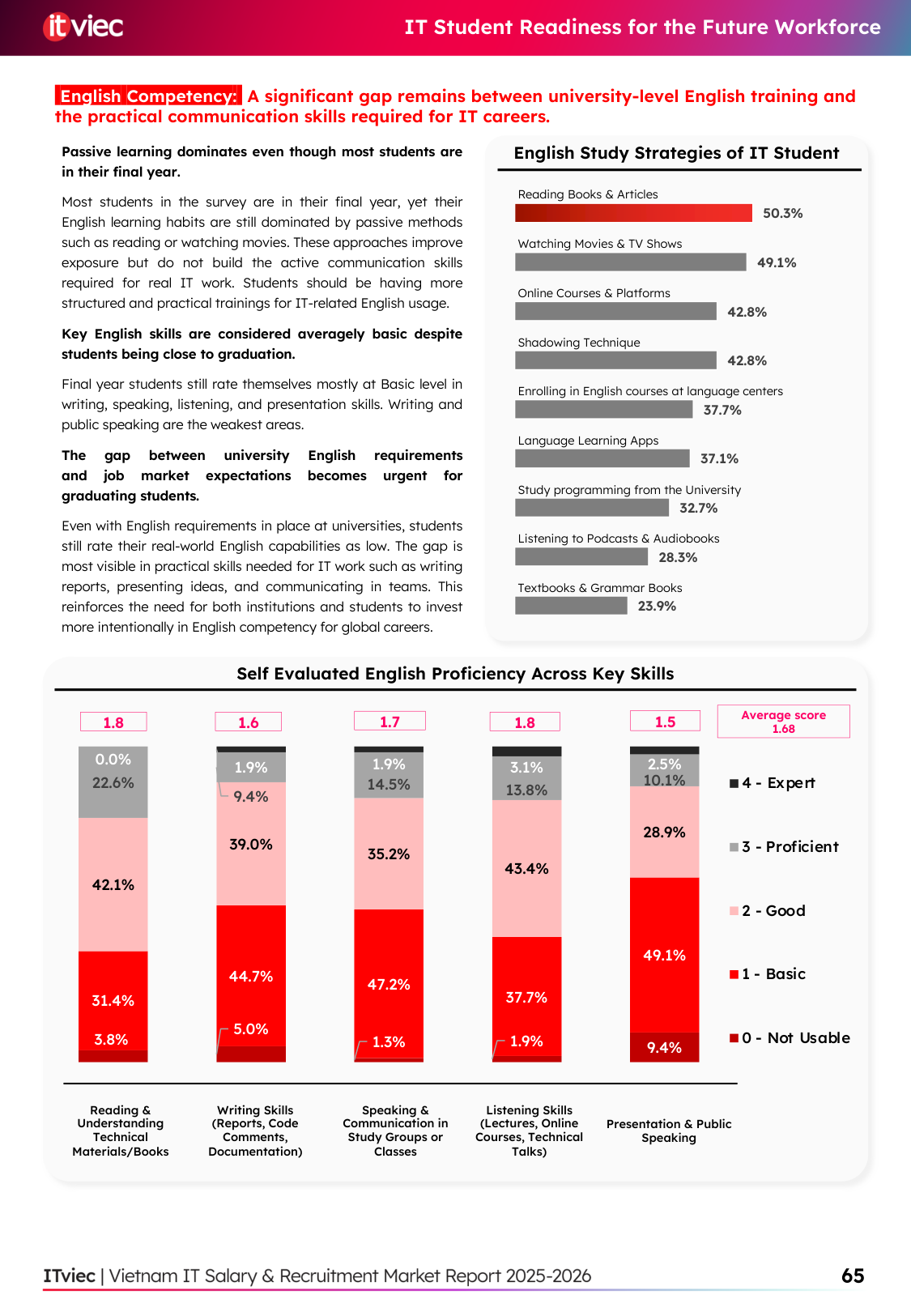
English Competency: A significant gap remains between university-level English training and the practical communication skills required for IT careers.
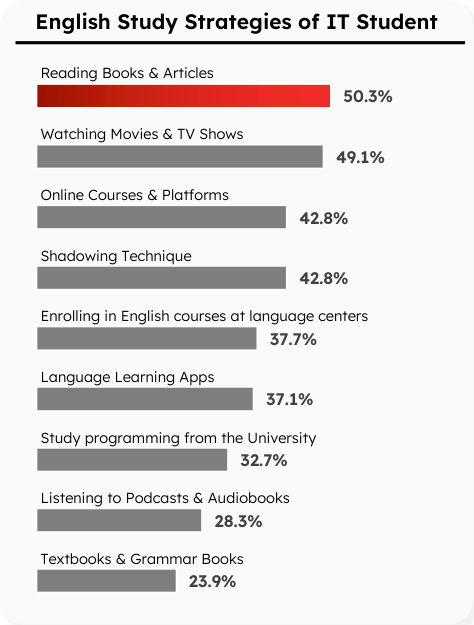
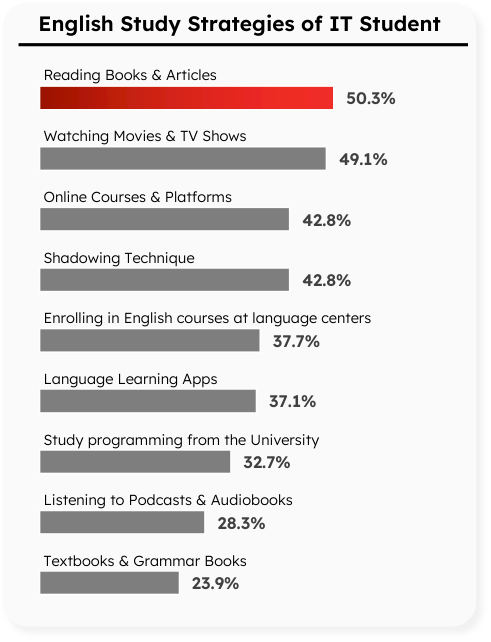
Passive learning dominates even though most students are
in their final year.
Most students in the survey are in their final year, yet their
English learning habits are still dominated by passive methods
such as reading or watching movies. These approaches improve
exposure but do not build the active communication skills
required for real IT work. Students should be having more
structured and practical trainings for IT-related English usage.
Key English skills are considered averagely basic despite
students being close to graduation.
Final year students still rate themselves mostly at Basic level in
writing, speaking, listening, and presentation skills. Writing and
public speaking are the weakest areas.
The gap between university English requirements
and job market expectations becomes urgent for
graduating students.
Even with English requirements in place at universities, students
still rate their real-world English capabilities as low. The gap is
most visible in practical skills needed for IT work such as writing
reports, presenting ideas, and communicating in teams. This
reinforces the need for both institutions and students to invest
more intentionally in English competency for global careers.
65
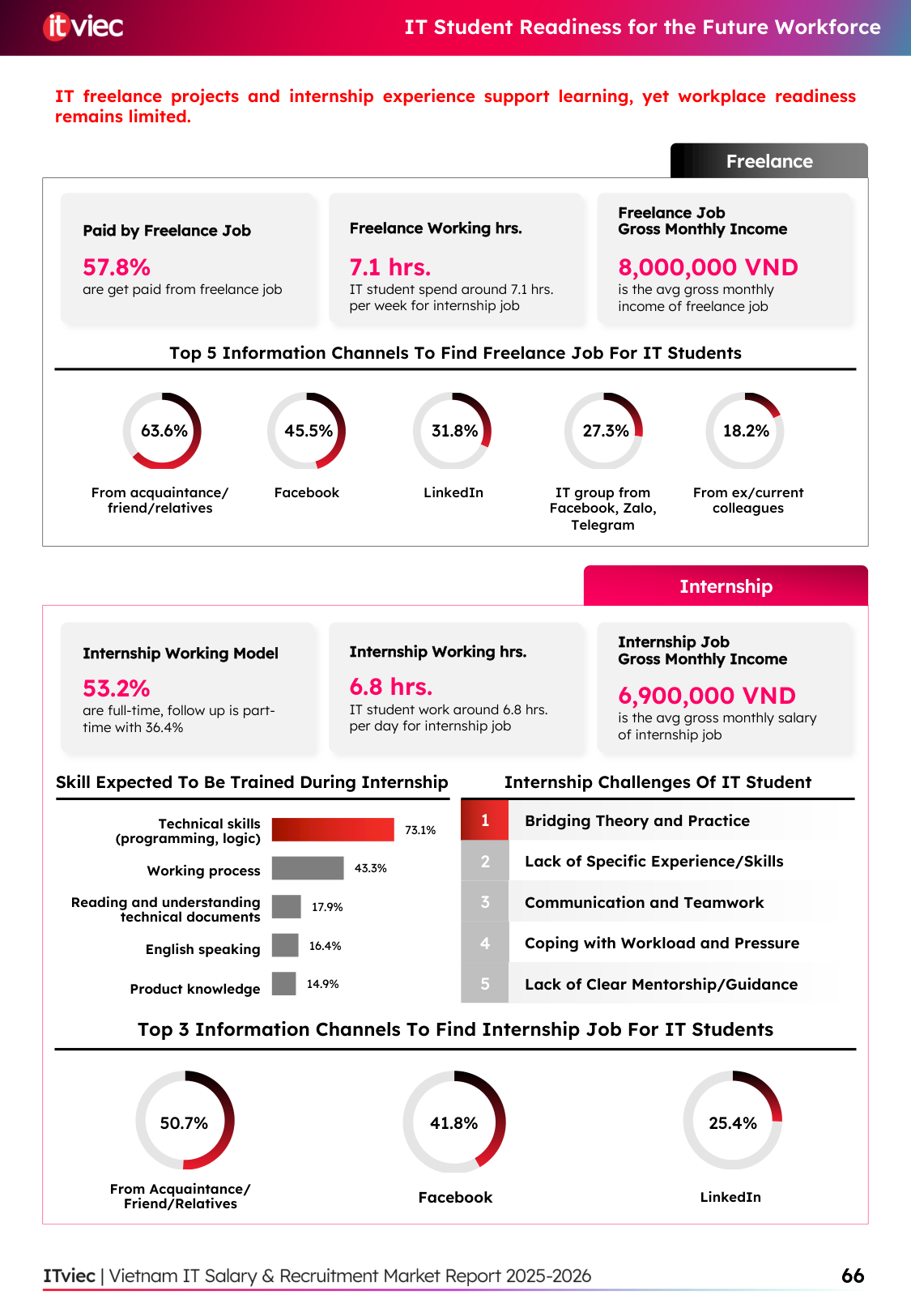
IT Student Readiness for the Future Workforce
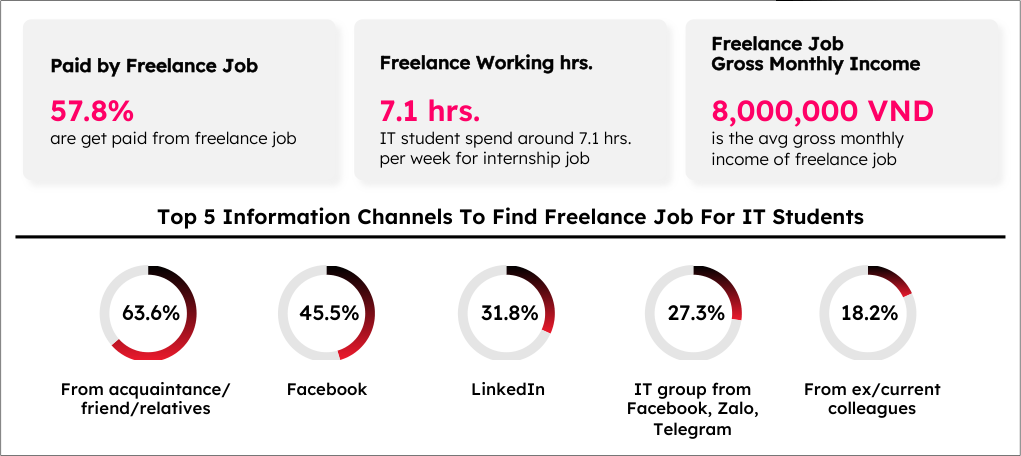
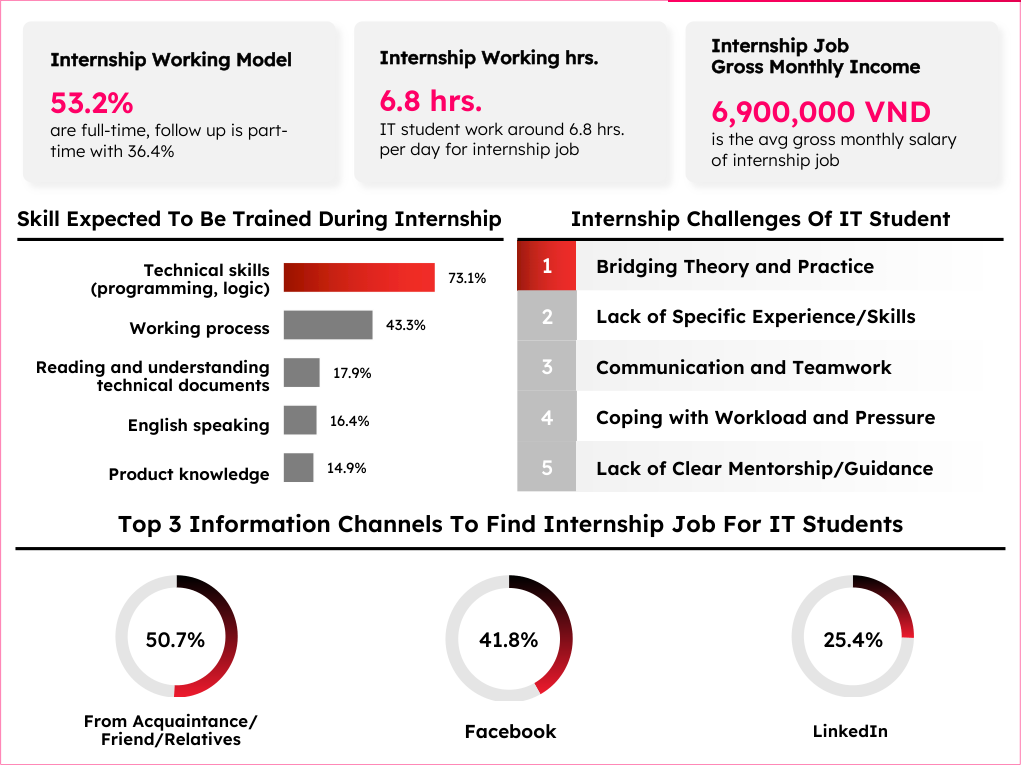
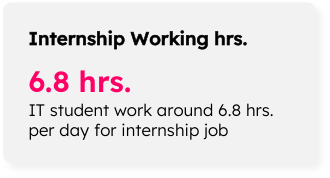
IT freelance projects and internship experience support learning, yet workplace readiness remains limited.
Freelance
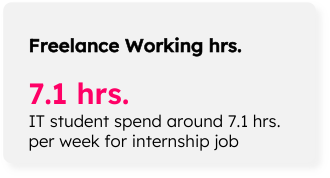

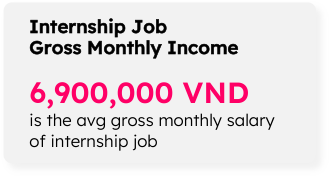
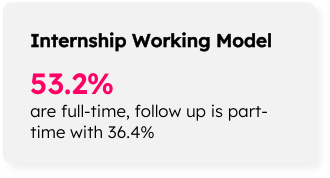
Internship
66


Made by Anh Tu - Share to be share